
Importance Of Regular Dental Checkups Machesney Park IL — Gentle Preventive Care And Expert Tips From Your Local Dentist
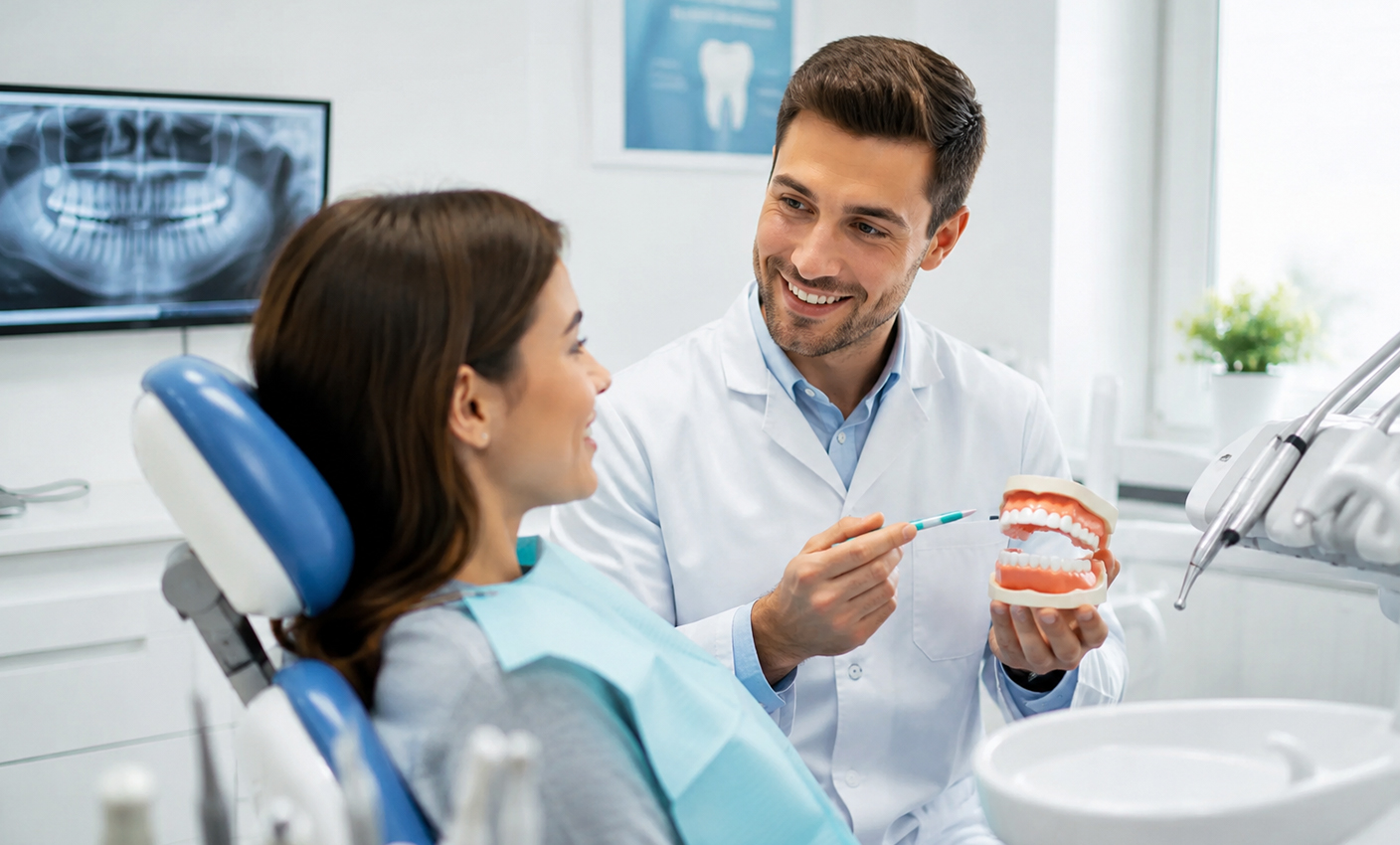
You make better decisions when you keep your smile on a regular schedule, especially in Machesney Park where local practices know which issues show up most often. Regular dental checkups catch small problems early, prevent costly treatments later, and keep your mouth linked to overall health.
They help you avoid pain, protect your family with age‑appropriate care, and ensure screenings for conditions like gum disease or oral cancer happen on time. Expect a friendly, efficient exam that mixes modern tools with patient comfort, clear explanations, and a plan tailored to your needs.
Why Preventive Dental Care Matters
Preventive dental care keeps teeth healthy, reduces future treatment needs, and helps patients in Machesney Park IL maintain comfort and confidence. Regular cleanings, targeted exams, and individualized advice prevent small problems from becoming costly or painful.
Reducing the Risk of Cavities and Gum Disease
Regular cleanings remove plaque and tartar from hard-to-reach places that brushing and flossing alone often miss. Dental hygienists use professional tools to clean below the gum line and polish tooth surfaces, cutting bacterial buildup that leads to cavities and gingivitis.
Dentists apply fluoride treatments and recommend sealants for patients at higher risk, which strengthen enamel and block decay in deep grooves. They also review diet, medication side effects, and home care habits—specific factors that increase cavity or gum disease risk in each patient.
Targeted advice may include switching to a high-fluoride toothpaste, using interdental brushes, or altering nighttime snacking routines. These concrete steps often prevent root canals, extractions, or periodontal therapy.
Early Detection of Oral Health Issues
Routine exams let dentists catch problems before symptoms start. Small chips, hairline cracks, early tooth decay, and the first signs of gum recession show up on X-rays or during a clinical exam long before pain appears.
Dentists screen for oral cancer, track wear from teeth grinding, and monitor restorations like fillings and crowns for failure. Early fixes tend to be simpler and less costly—think conservative fillings instead of crowns, or periodontal maintenance instead of surgery.
When a problem emerges, the team creates a clear treatment plan with timelines and choices, so patients know what to expect and can address issues while options remain minimally invasive.
Maintaining Fresh Breath and a Confident Smile
Bad breath (halitosis) often signals bacterial buildup, gum disease, or dry mouth—conditions that regular visits can identify and treat. Hygienists remove odor-causing deposits and suggest tailored rinses, saliva-stimulating products, or changes in medication timing.
Cosmetic maintenance, such as professional polishing and stain removal, helps teeth look their best without invasive procedures. Dentists also advise on whitening options and restorative fixes that preserve natural tooth structure while improving appearance.
A schedule of routine care reduces unexpected cosmetic or functional problems, so patients feel confident speaking, smiling, and eating in social and professional settings. For many, that peace of mind motivates consistent checkups and better daily habits.
What Happens During a Routine Exam
A routine dental exam combines a gentle cleaning, a targeted oral-health evaluation, and focused imaging when needed. Patients can expect steps that protect comfort, detect problems early, and create a clear plan for prevention or treatment.
Comfort-Focused Cleaning
The dental hygienist begins with a conversation about any recent concerns, sensitivity, medications, or changes in health that affect oral care. This sets comfort preferences, such as topical numbing gel, slower scaling, or breaks during the appointment.
Cleaning uses ultrasonic scalers to remove hardened tartar and hand instruments for precise plaque removal around the gumline. The hygienist polishes teeth with a flavored prophy paste and flosses between teeth to remove final debris and check contact points.
If the patient experiences sensitivity, the hygienist applies desensitizing agents or a fluoride varnish to strengthen enamel and reduce discomfort. They also demonstrate targeted brushing and interdental cleaning techniques specific to the patient’s tooth shape and restorations.
Personalized Dental Assessments
The dentist performs a head-and-neck exam, inspecting lips, cheeks, tongue, throat, and lymph nodes for lumps, discoloration, or lesions that could indicate systemic issues. They record findings in the patient chart and note any risk factors such as tobacco use, diabetes, or dry mouth that increase dental disease risk.
Intraoral exam includes probing pocket depths around each tooth to assess gum health and measuring attachment loss when present. The dentist evaluates existing restorations, checks occlusion (bite), and screens for signs of bruxism, TMJ issues, or wear facets that may need intervention.
The dentist discusses findings in plain language, highlights areas needing attention, and outlines treatment priorities with estimated timeframes and costs. They answer questions about home care, product recommendations, and scheduling follow-ups based on individual risk.
Digital X-Rays and Modern Imaging
If radiographs are indicated, the office typically uses digital X-rays that cut radiation exposure by up to 80% compared with film. Bitewing X-rays reveal early interproximal decay between teeth; periapical images evaluate root tips and bone levels near a specific tooth.
Panoramic imaging or CBCT scans are reserved for larger diagnostic needs such as implant planning, impacted teeth, or complex pathology. The dentist explains why a particular image is necessary and reviews the results on chairside monitors, pointing out areas of concern and next steps.
Digital images are stored in the patient’s electronic record for comparison over time, making it easier to track changes and justify conservative treatment. The dentist uses images to show patients the problem visually, which helps inform shared decisions about preventive or restorative care.
Connection Between Oral Health and Overall Wellness
Good dental care affects more than teeth. Regular exams can detect risks for heart disease, diabetes control issues, and other systemic conditions, making dental visits a key part of overall health maintenance.
Impact of Oral Health on Heart Disease and Diabetes
Poor gum health allows bacteria to enter the bloodstream, which can increase systemic inflammation and strain the cardiovascular system. Studies link periodontal disease with higher risk of atherosclerosis, heart attack, and stroke; patients with chronic gum inflammation often show elevated C‑reactive protein and other inflammatory markers.
For people with diabetes, uncontrolled blood sugar worsens gum disease by impairing immune response and healing. Conversely, severe periodontal infection can make blood glucose harder to control, creating a two‑way problem. Regular cleanings, prompt treatment of gum inflammation, and coordination between the dentist and primary care provider help reduce complications and improve diabetes management.
Practical steps include twice‑yearly dental exams, periodontal screening, and reporting changes in bleeding, swelling, or loose teeth to both dentist and physician. These measures lower bacterial burden and support heart and metabolic health.
Recognizing Signs of Other Medical Conditions
The mouth often shows early signs of systemic disease. Persistent dry mouth, unexplained mouth sores, sudden changes in taste, or rapidly progressing tooth mobility can indicate autoimmune disorders, nutritional deficiencies, or side effects from medications. Dentists trained in oral medicine can flag these signs and recommend further medical evaluation.
Oral manifestations of osteoporosis, HIV, and certain cancers may appear as jaw pain, delayed healing after extractions, or unusual oral lesions. Simple observations during routine checkups—such as mucosal color changes, persistent ulcers, or unexplained weight loss affecting oral intake—warrant referral for targeted medical tests.
Patients should inform their dental team about chronic conditions, current medications, and recent systemic symptoms. That information helps the dentist identify red flags early and coordinate referrals to specialists when needed.
The Role of Family Dentistry in Community Health
Family dentistry connects routine care, prevention, and education to better oral health across all ages. It reduces emergency visits, catches disease early, and builds trust between local providers and patients.
Building Lifelong Healthy Habits
Family dentists teach practical daily routines that fit busy households. They demonstrate proper brushing and flossing techniques, recommend age-appropriate fluoride use, and create individualized home-care plans based on each patient’s oral health and diet.
Routine six-month checkups let clinicians track changes over time and intervene before small issues become costly problems. Dentists provide tailored advice on sugar intake, sports mouthguards, and habit management (thumb-sucking or grinding), plus topical fluoride or sealants when indicated.
Educational resources and reminders—texts, patient portals, or printed care plans—help families stick to schedules and treatment steps. That consistent communication improves adherence to preventive measures and reduces cavities and gum disease across the community.
Caring for Children, Teens, and Adults
Pediatric-focused skills make visits calming and effective for children, with behavior guidance, preventive sealants, and growth monitoring to catch orthodontic needs early. Early exams also identify developmental issues that pediatricians might miss.
Teen care emphasizes risk counseling: tobacco, vaping, sports injuries, and orthodontic retention. Dentists screen for enamel erosion from acidic drinks and discuss cosmetic concerns in a way that supports self-esteem.
Adult care targets periodontal screening, restoration longevity, and systemic-health links like diabetes or heart disease. Providers offer minimally invasive treatments, same-day restorations when possible, and clear plans for restoring function and esthetics.
Navigating Insurance and Affordable Care
Patients often worry about cost when scheduling dental checkups in Machesney Park, IL. The office welcomes major dental plans and can verify coverage before an appointment to reduce surprises.
They can explain in-network versus out-of-network benefits and give a clear estimate for exams, cleanings, and X-rays. For those without insurance, the practice offers a flexible payment plan and an in-office membership program that lowers routine-care costs.
Commonly covered services:
- Preventive exams and cleanings: usually covered at high percentages.
- Routine X-rays: often included or partially covered.
- Restorative work: coverage varies; pre-treatment estimates help.
Patients should bring their insurance card and any prior dental records to speed up processing. The front-desk team handles claims submissions and follows up on denials so patients don’t get stuck navigating paperwork alone.
For low-income or uninsured patients, they offer sliding-scale fees and referrals to community resources when appropriate. They encourage callers to ask for a cost breakdown and an appointment time that fits both budget and oral-health needs.
They invite readers to call or message the office to check benefits, request a cost estimate, or discuss payment options before booking a visit.
Choosing a Trusted Dental Practice in Machesney Park
Patients should look for a practice that balances experience with patient comfort. They benefit from dentists who explain procedures clearly and offer modern options like digital X-rays and same-day restorations.
Check credentials and reviews before booking an appointment. State licensure, professional affiliations, and patient testimonials give a reliable picture of quality and bedside manner.
Consider the practice environment and staff interactions. A calm, clean office and friendly receptionists help reduce anxiety and make visits easier for families and seniors alike.
Ask about preventive services and personalized care plans. Practices that emphasize routine cleanings, fluoride treatments, and tailored recall schedules show a commitment to long-term oral health.
Review scheduling flexibility and emergency availability. Evening hours, online booking, and prompt emergency responses matter for busy schedules and unexpected issues.
Compare payment options and insurance participation. Transparent pricing, financing plans, and assistance with insurance claims remove stress and make treatment more accessible.
They should invite questions and provide clear next steps. A trusted practice welcomes a brief consultation, explains costs and benefits, and encourages patients to schedule a checkup or call with concerns.
How to Prepare for Your Next Visit
They should gather basic information before the appointment. Bring a list of current medications, any recent medical changes, and the contact information for other healthcare providers.
They should review dental insurance details and know what the plan covers. Calling the insurer ahead can clarify copays and whether preauthorization is needed for certain treatments.
They should note any symptoms or concerns to discuss, such as sensitivity, pain, or changes in bite. Writing these down helps ensure nothing gets forgotten during the visit.
They should arrive with a cleaned mouth but avoid heavy makeup or strong perfumes. Simple grooming and comfortable clothing help make the appointment more pleasant.
They should update the dental office about anxiety, past traumatic experiences, or special needs. The team can offer options like a calm appointment time, breaks, or sedation when necessary.
They should bring previous X‑rays if switching dentists, or request them from the prior office. This saves time and reduces repeat imaging.
They should prepare payment methods and ask about financing or payment plans if cost is a concern. Knowing options ahead reduces stress.
They should plan transportation if a sedative or stronger medication will be used. A companion may be needed to drive home safely.
They should arrive a few minutes early to complete paperwork and confirm contact details. This helps the visit start on time and ensures the team has accurate information.
They should ask questions during the exam and request clear next steps. The dental team expects questions and welcomes follow‑up calls or messages for clarification.
The Long-Term Value of Consistent Checkups
Regular dental checkups help catch small problems before they become big ones. They allow the dentist to identify cavities, gum inflammation, or bite issues early, which usually means simpler treatments and lower costs over time.
Consistent visits support better oral health habits. Cleanings remove plaque and tartar that daily brushing can miss, and the dentist or hygienist reinforces effective home care with practical tips.
Preventive care protects overall health as well as teeth. Research links untreated gum disease to conditions like diabetes and heart disease, so maintaining oral health contributes to general wellness.
Keeping a schedule makes treatment planning easier and less stressful. When patients see their provider regularly, they build a record of changes, enabling personalized care and more accurate long-range planning for restorations or cosmetic work.
Financially, routine care often reduces the need for expensive emergency procedures. Many practices offer care plans or flexible scheduling in Machesney Park, IL, to make preventive visits more accessible and predictable.
Patients also gain peace of mind from ongoing relationships with their dental team. Familiarity with preferences and concerns fosters comfort during visits and encourages timely questions about new symptoms or treatment options.
Consider scheduling consistent exams and cleanings to maintain oral health, limit future treatments, and stay connected with a trusted local dental team.
Frequently Asked Questions
Regular checkups catch small issues early, remove buildup that brushing misses, and keep X-rays and screenings current for personalized care. Patients in Machesney Park benefit from routine exams that focus on prevention, comfort, and tailored treatment plans.
How often should I schedule a dental checkup if I’m not having any pain?
Most adults should schedule a checkup every six months for examination and professional cleaning.
Patients with gum disease, heavy plaque, diabetes, or a history of cavities may need visits every three to four months.
What problems can a routine exam catch early that I might not notice at home?
Dentists detect early tooth decay, gum disease, and loose fillings before symptoms appear.
They also spot oral cancer signs, bite or alignment changes, and wear from grinding that patients rarely feel at first.
Do I really need a professional cleaning if I brush and floss every day?
Yes. Professional cleanings remove hardened tartar above and below the gum line that brushing and flossing cannot.
Cleanings also reduce bacteria that cause gum inflammation, lowering the risk of periodontal disease and tooth loss.
What happens during a typical dental checkup and cleaning, step by step?
The visit usually begins with a health and dental history update and any current concerns.
The hygienist performs a visual exam, measures gum pockets, and removes plaque and tartar with scaling and polishing.
The dentist reviews X-rays if needed, checks for cavities or oral disease, discusses findings, and recommends treatment or preventive steps.
Appointments often end with fluoride treatment, oral hygiene tips, or scheduling of follow-up care.
What is the 3-3-3 rule in dentistry, and how can it help my daily routine?
The 3-3-3 rule means brush for three minutes, use a pea-sized amount of fluoride toothpaste, and limit brushing to three times a day.
Following it improves plaque removal, optimizes fluoride exposure, and reduces enamel wear from over-brushing.
Are there any drinks that can help reduce mouth bacteria without replacing brushing and flossing?
Plain water is best for rinsing food particles and diluting acids after meals.
Unsweetened green tea offers mild antibacterial compounds and less acidity than many beverages, but it does not replace brushing, flossing, or professional care.