
Family Dentist Machesney Park IL — Warm, Expert Care for Your Whole Family
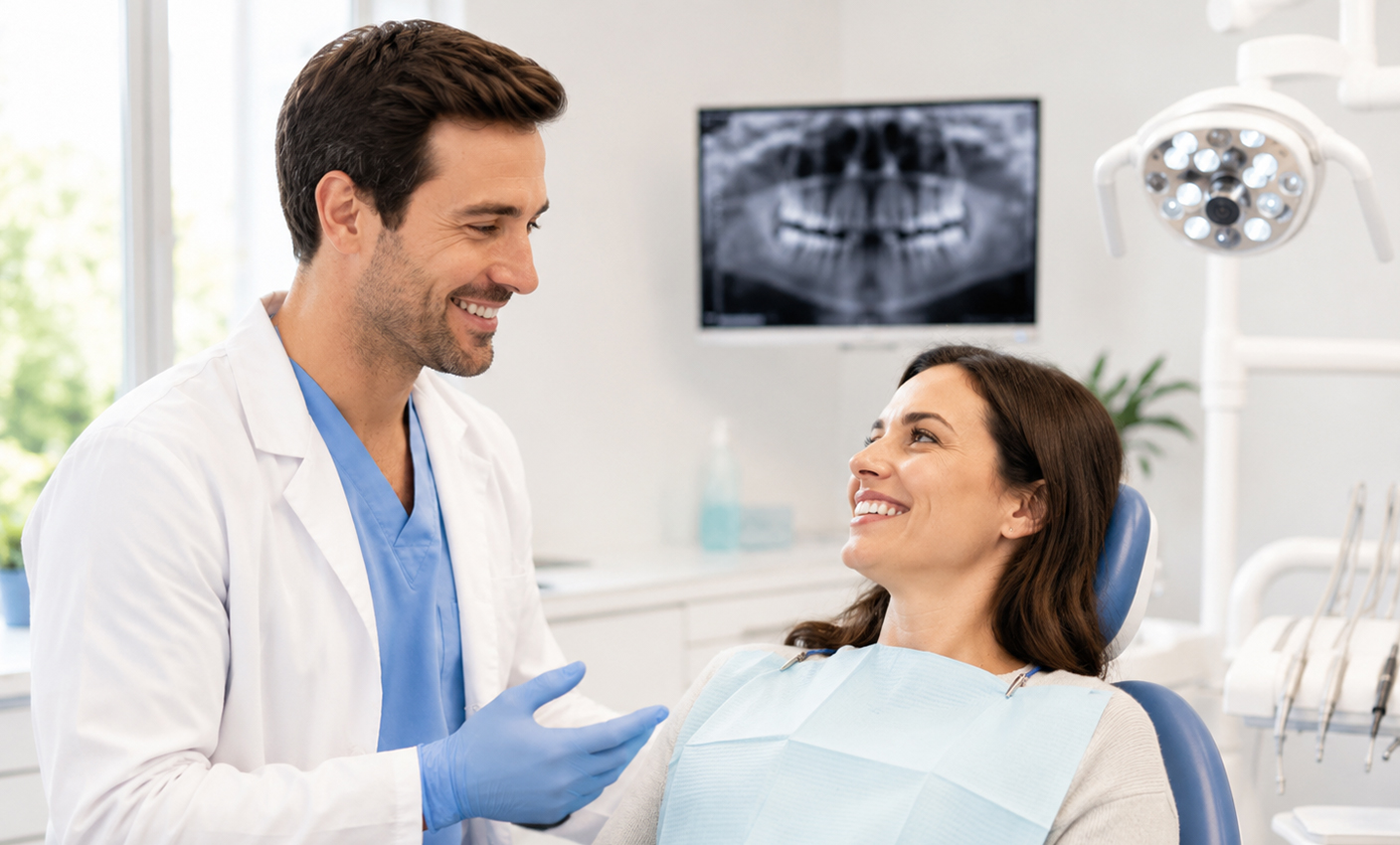
You’ll find practical, family-focused dental care in Machesney Park that fits every age and stage of life. A local family dentist can keep your children’s smiles healthy, manage adult dental needs, and offer modern treatments in a comfortable, welcoming setting.
They explain procedures simply, prioritize patient comfort, and use up-to-date technology so you spend less time worrying and more time smiling. Expect clear guidance on preventive care, what to expect at your first visit, and tips for home oral health that make daily routines easier for the whole family.
Why Family Dental Care Matters
Family dental care supports healthy mouths at every age, reduces future treatment needs, and creates consistent, trusted care for the whole household. Regular visits and tailored prevention plans help catch small problems early, protect developing teeth, and teach practical habits that last a lifetime.
Benefits of Ongoing Oral Health
Regular family dental care lowers the risk of cavities, gum disease, and costly restorative work by providing routine cleanings, exams, and targeted preventive treatments. Fluoride varnish for children, dental sealants on chewing surfaces, and professional cleanings remove plaque and strengthen enamel before decay starts.
Coordinated care also streamlines treatment planning for busy families. A single dental office can schedule checkups for siblings, maintain comprehensive records, and recommend age-appropriate care—reducing missed appointments and duplicate X-rays.
Ongoing care improves oral-systemic health, too. Dentists screen for signs of diabetes, cardiovascular risk indicators, and sleep-disordered breathing, then refer patients to appropriate specialists. These screenings use standard chairside assessments and medical-history reviews, not invasive procedures.
Early Prevention and Intervention
Early dental visits let clinicians assess growth patterns, erupting teeth, and bite development to prevent problems that require more invasive repair later. For example, interceptive orthodontics can guide jaw growth during childhood, often shortening or eliminating the need for full braces.
Pediatric-focused prevention includes anticipatory guidance—practical, age-specific advice on brushing technique, flossing milestones, sugar exposure, and pacifier weaning. These recommendations reduce early childhood caries and promote stable oral development.
When issues appear, prompt intervention limits progression. Small cavities may receive minimally invasive restorations, and early gum inflammation can be managed with improved hygiene and targeted professional therapy. Quick action preserves more natural tooth structure and reduces long-term costs.
Building Lifelong Dental Habits
Family dental visits create routines that children and adults follow consistently, like twice-yearly cleanings and daily brushing with appropriate fluoride toothpaste. Dentists and hygienists demonstrate techniques, set realistic goals, and reinforce positive behaviors at each visit.
Parents receive concrete coaching on supervising brushing, choosing low-sugar snacks, and managing oral habits such as thumb-sucking. Older adults get guidance on denture care, dry mouth management, and monitoring for oral cancer—practical steps that maintain function and comfort.
A practice that treats multiple generations fosters trust and models behavior. Seeing caregivers prioritize dental health encourages children to adopt the same habits, making preventive care a shared family value rather than a chore.
Comprehensive Services for Every Age
This practice provides preventive, pediatric, and restorative care tailored to each life stage. Patients find clear treatment plans, modern technology like digital X-rays, and staff who prioritize comfort and communication.
Routine Exams and Cleanings
They perform thorough dental exams every six months, including a clinical evaluation, digital X-rays as needed, and periodontal screening to check gum health. Cleanings use ultrasonic scalers and hand instruments to remove plaque and tartar, followed by polishing and targeted oral hygiene instruction.
Preventive measures include fluoride varnish for patients at higher risk and individualized recommendations for home care—specific toothbrush types, interdental cleaners, and frequency of flossing. The team documents baseline conditions with intraoral photos, so changes are easy to track over time.
Care plans list detected issues, estimated costs, and scheduling priorities. Patients receive reminders and pre-appointment instructions, such as fasting considerations for certain medical conditions or bringing a current medication list.
Children’s Dentistry
They begin with a gentle “first visit” approach, focusing on building trust and educating both child and caregiver. Appointments include growth assessments, eruption monitoring, fluoride varnish application, and age-appropriate hygiene coaching.
Behavior guidance uses positive reinforcement and simple explanations; if needed, nitrous oxide (laughing gas) is available for anxious or very young patients. Sealants are offered for permanent molars to prevent cavities, and dietary counseling targets common local risks like frequent juice or sports drink consumption.
The practice coordinates with pediatricians for children with special health needs and keeps growth records to detect bite or eruption issues early. Parents receive written home-care steps and clear timelines for the next visit.
Restorative Treatments
They offer conservative fillings with tooth-colored composite resin, meeting current aesthetic and biocompatibility standards. For larger damage, porcelain onlays and crowns restore strength and contour; the office uses digital impressions for faster and more accurate fit.
Root canal therapy addresses infected pulps with modern rotary instruments and magnification to improve success rates. For missing teeth, fixed bridges and implant restorations are planned using CBCT when indicated to assess bone anatomy.
Treatment quotes include material options, longevity expectations, and aftercare instructions—such as avoiding hard foods for 24–48 hours after crown cementation. Financing and phased treatment schedules help patients manage complex restorative needs.
Personalized Comfort and Care
The practice designs each visit around a patient’s comfort preferences and medical needs. Staff notes include allergy alerts, preferred communication style, and any previous dental experiences that affect treatment.
Gentle Techniques for Patient Ease
They use gentle, evidence-based techniques to minimize discomfort during exams and procedures. For routine cleanings, ultrasonic scalers set to lower power reduce vibration and noise, and clinicians alternate scaler and hand-instrument scaling to protect sensitive gum tissue.
Topical anesthetics precede injections to numb the surface, and dentists employ slow, steady injection methods to lower prick sensation. For restorations, they select rubber dam isolation when appropriate to keep the area dry and reduce gag reflex triggers.
Chair position, warmed bibs, and noise-cancelling headphones help patients relax during longer procedures. The team also schedules extra time for anxious or special-needs patients so they never feel rushed and can communicate concerns throughout treatment.
Sedation and Anxiety Solutions
They offer tiered sedation options based on anxiety level, medical history, and procedure complexity. Nitrous oxide provides mild anxiolysis with rapid recovery, ideal for routine care in patients with moderate dental fear.
Oral sedation (short-acting benzodiazepine) suits those needing deeper relaxation; the office gives clear pre-visit fasting and escort instructions. For complex surgeries or severe anxiety, sedation dentistry consults coordinate with the patient’s physician and use monitored IV sedation when indicated.
Before any sedative, staff completes a medical history review, records current medications, and measures baseline vitals. Recovery protocols include written post-op instructions, a phone check within 24 hours, and emergency contact availability.
Modern Technology in Local Dentistry
Modern clinics invest in tools that make diagnosis faster and treatments gentler. Patients in Machesney Park can expect clearer images, lower radiation, and targeted procedures that preserve more natural tooth structure.
Digital X-Rays and Diagnostics
Digital X-rays replace film with sensors that capture high-resolution images instantly. Dentists review images on-screen to detect cavities between teeth, track root canal anatomy, and evaluate bone levels for implants or periodontal disease. Exposure to radiation drops by up to 60–90% compared with older film X-rays, which improves safety for children and pregnant patients.
Advanced diagnostic tools often include intraoral cameras and cone-beam CT (CBCT) units. Intraoral cameras provide close-up photos of cracks, worn restorations, and gum recession to explain conditions to patients. CBCT gives three-dimensional views when planning implants, assessing impacted teeth, or diagnosing complex root anatomy, helping clinicians plan precise, conservative treatments.
Digital records integrate with practice management software. This streamlines treatment planning, insurance submissions, and follow-up scheduling so patients spend less time waiting and more time receiving focused care.
Minimally Invasive Treatments
Minimally invasive dentistry emphasizes preserving tooth structure and reducing discomfort. Techniques include air abrasion for small cavities, microdentistry with smaller burs, and bonded composite restorations that require less removal of healthy enamel. These approaches lower the need for crowns and reduce postoperative sensitivity.
Laser dentistry assists with soft-tissue procedures and early decay removal. Lasers can reshape gums, treat cold sores, and disinfect root canals with minimal bleeding and faster healing. For tooth replacement, narrow-diameter implants and guided implant surgery allow precise placement with smaller incisions and quicker recovery.
Sedation options, from nitrous oxide to oral sedation, complement minimally invasive techniques by easing anxiety during treatment. Patients receive customized care plans that balance longevity, aesthetics, and comfort, often avoiding more extensive procedures later.
What to Expect at Your First Visit
Patients will meet the team, complete brief paperwork, and receive a clear plan for exams and any needed treatments. The office will prioritize comfort, explain costs and insurance, and schedule follow-ups before the family leaves.
Welcoming Your Whole Family
The front desk staff greets each family member by name and confirms insurance details and contact information. They provide short intake forms to note medical history, current medications, and any dental concerns for each person.
Children receive playful, age-appropriate orientation to the treatment room so they feel safe. The dental hygienist explains cleaning steps to kids and parents, demonstrating tools on a model when helpful.
Adults get a warm introduction to preventive options like fluoride treatments, sealants for teens, and routine X-rays when indicated. The team discusses appointment timing so siblings can be seen together when possible.
If anyone prefers sedation or has dental anxiety, staff outline options—nitrous oxide, oral sedative pre-medication, or a calm-care approach—and obtain consent and medical clearance as needed.
Understanding the Patient Journey
The hygienist performs a focused cleaning and measurements for gum health, then records intraoral photos or digital X-rays if necessary. The dentist reviews findings with annotated images, pointing out cavities, worn fillings, or early signs of gum disease.
Patients receive a prioritized treatment plan listing procedures, estimated costs, recommended timelines, and insurance estimates. The plan shows what to address now, what can wait, and preventive steps to reduce future treatments.
The team schedules follow-up appointments—cleaning frequency, restorative visits, or specialty referrals—while noting preferred days and any childcare needs. They leave written instructions and contact information for questions, and confirm financial arrangements before checkout.
Tips for At-Home Dental Wellness
Maintain consistent daily habits and make simple diet swaps to reduce decay and protect restorations. Focus on technique, timing, and food choices that directly impact enamel, gum health, and longevity of dental work.
Daily Brushing and Flossing Habits
Brush twice daily for two minutes with a soft-bristled toothbrush and fluoride toothpaste. Use gentle circular motions and hold the brush at a 45° angle to the gum line to remove plaque without abrading enamel or irritating gums.
Replace the toothbrush every 3 months or sooner if bristles fray. Consider an electric toothbrush with a built-in timer for more consistent pressure and coverage, especially for children or patients with limited dexterity.
Floss once daily using about 18 inches of floss, gently curving it into a C-shape around each tooth and sliding below the gum line. For braces, bridges, or implants, use interdental brushes, floss threaders, or water flossers as appropriate to clean hard-to-reach areas.
Address sensitivity by switching to a desensitizing toothpaste and avoiding aggressive brushing. Schedule professional cleanings every 6 months or as recommended for tailored hygiene advice and early problem detection.
Healthy Diet Choices for Smiles
Limit sugary snacks and drinks to reduce acid attacks on enamel. When consuming sweets or soda, having them with meals rather than grazing lowers frequency of acid exposure and supports saliva’s natural remineralization.
Choose calcium- and phosphate-rich foods like cheese, yogurt, and leafy greens to strengthen enamel. Crunchy fruits and vegetables such as apples, carrots, and celery stimulate saliva flow and help mechanically clean teeth between brushings.
Drink water throughout the day and after meals to wash away food particles and neutralize acids. For patients with dry mouth, sugar-free gum with xylitol can increase saliva and reduce cavity risk.
Avoid bedtime juice or milk for young children; instead, offer water. For people with restorations, advise against habitual chewing of ice, hard candies, or non-food items to prevent fractures and premature wear.
Finding the Right Dentist in Machesney Park
Choosing a dentist involves practical checks and local fit. Consider staff friendliness, office hours, accepted insurance, available treatments, and how the practice handles emergencies.
Questions to Ask When Choosing
Ask about providers’ credentials and experience with family dentistry, pediatric care, and any specialties like endodontics or orthodontics. Request specifics: how many years the dentist has practiced in Machesney Park, whether they complete continuing education annually, and if they are board-certified or affiliated with professional organizations.
Clarify payment and insurance details: which plans they accept, in-house financing options, estimated costs for common services (cleaning, fillings, crowns), and whether they provide written estimates. Ask how they handle emergencies—same-day appointments, on-call coverage, and after-hours contact.
Discuss comfort and technology: whether they offer nitrous oxide or sedation for anxious patients, digital X‑rays, intraoral cameras, and paperless charting. Ask about preventive protocols: frequency of cleanings for children and adults, fluoride or sealant policies, and personalized home-care advice.
The Importance of Community Connections
A practice rooted in Machesney Park usually understands local patient needs and school schedules. Dentists engaged with community events, local schools, or health fairs often prioritize family-friendly hours and pediatric familiarity.
Look for local reviews and recommendations from neighbors, school nurses, or nearby physicians. Community presence can indicate reliability—long-standing practices tend to have established relationships with local specialists and labs, which speeds referrals and treatment coordination.
Check whether the office participates in community programs like free screening days or partners with local charities. Those activities show investment in patient education and preventive care, not just procedures. This local involvement can make dental visits feel more personal and reassuring for families.
Next Steps for Your Family’s Oral Health
They should schedule regular checkups every six months to catch small problems early. Routine cleanings reduce cavities and help track growth and development in children.
The dental team can create a personalized prevention plan for each family member. This plan may include fluoride treatments, sealants for children, and tailored home-care tips.
If anyone has pain, persistent sensitivity, or visible damage, they should call for an exam right away. Early treatment often means simpler, less expensive care.
Use this quick checklist to prepare for the visit:
- Bring dental insurance information and a list of current medications.
- Note any dental concerns or changes in health since the last appointment.
- Pack comfort items for young children to ease anxiety.
They can expect a friendly exam, clear explanations, and treatment options that focus on comfort. Modern techniques—like digital X-rays and minimally invasive restorations—help reduce chair time and improve outcomes.
Families should ask about pediatric care, orthodontic screening, and night guards if teeth grinding occurs. Staff will explain costs, payment options, and whether sedation or comfort aids are appropriate.
Encourage questions during the visit; the team welcomes them and will explain choices in plain language. Call the office to book an appointment or request more information online.
Frequently Asked Questions
This section answers practical concerns families in Machesney Park often raise about choosing care, preparing children, emergency steps, daily prevention, scheduling, and medications. Each answer gives clear actions patients can take and what to expect at the office.
How do I choose the right dentist for my family, and what should I look for on that first visit?
They should check credentials, years of experience treating children and adults, patient reviews, and whether the practice accepts their insurance. Look for a clean, welcoming office, modern equipment, and staff who explain procedures clearly.
On the first visit they should expect a medical and dental history review, a thorough exam including X-rays if needed, and a discussion of treatment priorities. The dentist should outline preventive care, any needed treatments, costs, and scheduling options.
What should my child expect at their first dental appointment, and how can I help them feel comfortable?
Children typically get a gentle exam, cleaning if cooperative, simple X-rays when necessary, and brief guidance on brushing and flossing. The hygienist or dentist will use child-friendly language and let the child see instruments first.
Parents can prepare by reading books about the dentist, role-playing with a toothbrush, and scheduling the visit when the child is well-rested. They should stay calm, avoid using the dentist as a threat, and ask the team for tips on minimizing fear.
Do you offer same-day appointments for toothaches or dental emergencies, and what should I do in the meantime?
Many family dental offices in Machesney Park reserve slots for urgent problems like severe pain, swelling, or knocked-out teeth. Call the office immediately; staff usually give first-step advice and try to fit the patient in that day.
While waiting, they should rinse with warm salt water for pain or swelling, use over-the-counter pain relievers per label directions, apply a cold pack externally for swelling, and keep any knocked-out tooth moist in milk or saliva without scrubbing.
What are the most effective ways to prevent cavities and gum disease between checkups for kids and adults?
Brush twice daily with fluoride toothpaste for two minutes and floss once daily to remove plaque between teeth. They should use a soft-bristled brush, replace it every three months, and consider a fluoride mouthwash for added protection.
Limit sugary snacks and sticky foods, drink water instead of soda, and encourage healthy snacks like cheese, vegetables, and nuts. For children, dental sealants and topical fluoride applied at the dentist help block decay on chewing surfaces.
How often should my family schedule dental cleanings and exams, and what happens during a routine visit?
Most families should schedule cleanings and exams every six months, though the dentist may recommend more frequent visits for higher-risk patients. Insurance commonly covers two preventive visits per year for each person.
A routine visit includes a professional cleaning to remove plaque and tartar, a full-mouth exam, X-rays when needed, and a review of oral hygiene habits. The dentist will discuss any issues, recommend treatments or preventive steps, and set the next appointment.
Can a dentist prescribe antifungal medication like fluconazole, and when would it be needed?
Dentists can prescribe antifungal medications for oral fungal infections such as oral thrush or denture-related stomatitis when topical treatments fail or the infection is extensive. They typically start with topical agents (nystatin or clotrimazole) and use fluconazole when systemic treatment is necessary.
If someone has symptoms like persistent white patches, soreness, or burning under dentures, the dentist will evaluate, take a medical history, and coordinate with the patient’s physician if systemic factors (diabetes, immune suppression) might affect treatment.