
Affordable Dental Implants Machesney Park IL — Compassionate, Expert Care for Comfortable, Affordable Smiles
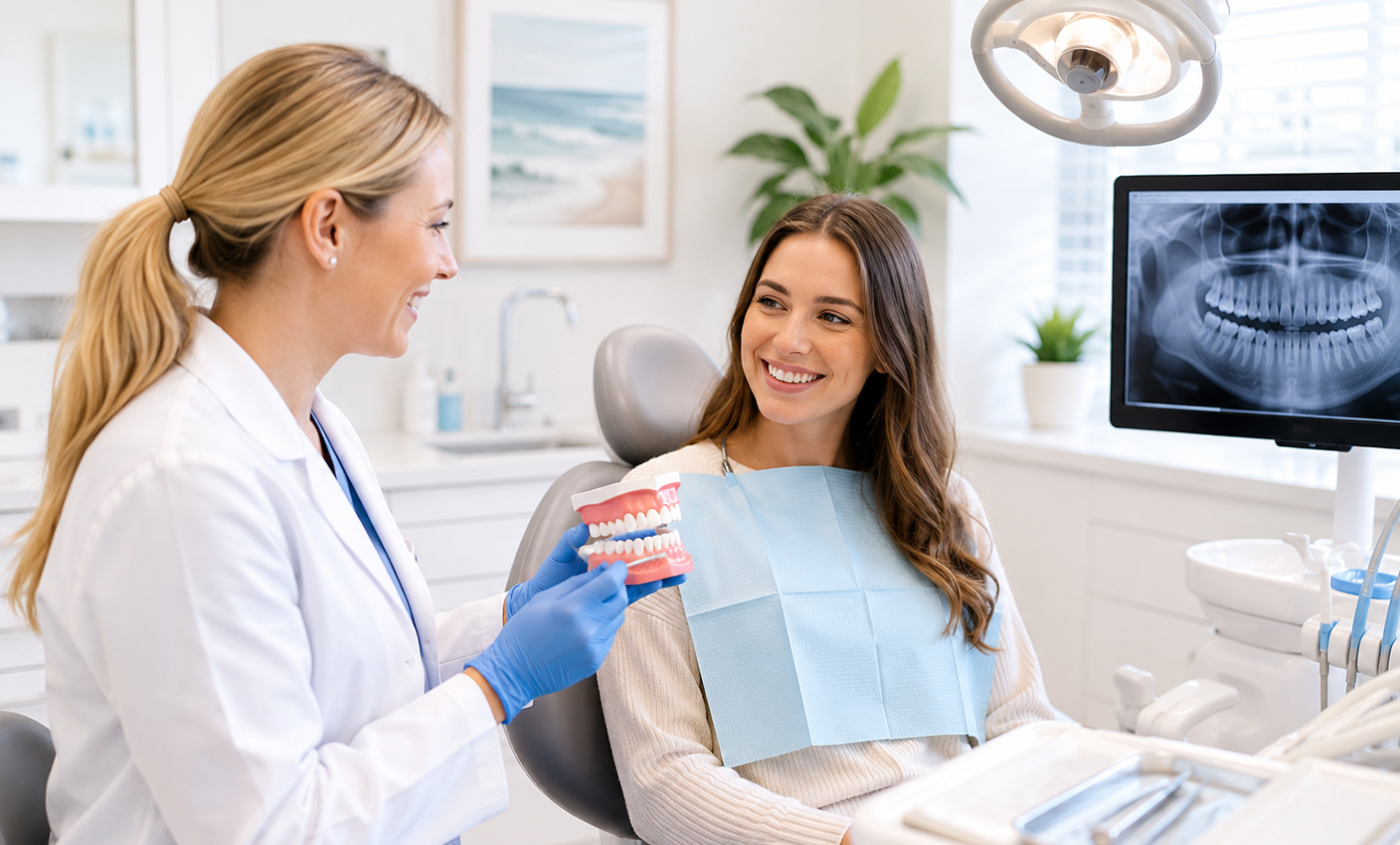
Looking for affordable dental implants in Machesney Park, IL? You can find high-quality implant options nearby that balance cost, comfort, and lasting results—so you don’t have to wait to restore your smile. You’ll learn practical ways to lower implant costs, what local clinics offer, and how to choose a trusted team that fits your budget and needs.
Expect clear explanations of how implants work, realistic timelines for treatment, and simple steps to prepare for a consultation. The article walks through benefits, affordable care choices in Machesney Park, what happens during treatment, and how to keep implants healthy long term—helping you make an informed, confident decision.
Understanding Dental Implants
Dental implants replace missing teeth using a titanium post, an abutment, and a crown. They restore chewing, speech, and appearance while protecting adjacent teeth and jawbone health.
What Are Dental Implants?
Dental implants consist of three main parts: a titanium implant that anchors in the jawbone, an abutment that connects the implant to the visible tooth, and a custom-made crown that matches natural teeth. The implant itself acts like an artificial tooth root, surgically placed into the bone under local anesthesia or conscious sedation. Healing time varies; most patients wait 3–6 months for osseointegration, when bone fuses to the implant, before the abutment and crown are attached.
Common implant types include:
- Endosteal implants (most common) placed in the jawbone.
- Subperiosteal implants placed on the bone under the gum for those with low bone height.
Clinics in Machesney Park often offer digital planning and 3D imaging, which improves placement accuracy and shortens treatment time.
How Implants Mimic Natural Teeth
Implants restore both function and form by replacing the root and crown separately. The titanium root provides stable support for biting forces, preventing the shifting of neighboring teeth. A ceramic or porcelain crown is color-matched and shaped to blend with adjacent teeth for a natural appearance.
Bone preservation is a key benefit: implants transmit chewing forces to the jawbone, maintaining bone volume and facial structure. Sensation differs slightly from natural teeth because implants lack periodontal ligaments, but most patients report normal chewing and comfort after the healing period. Modern prosthetics and digital scans improve fit and bite alignment, reducing wear and the need for adjustments.
Who Is a Good Candidate?
Good candidates are adults in generally good health with sufficient jawbone to support an implant or who are willing to undergo bone grafting. Controlled chronic conditions like diabetes or hypertension typically do not rule patients out, but require medical clearance and careful monitoring. Non-smokers or patients who will commit to smoking cessation enjoy higher success rates.
Dentists evaluate candidacy with:
- Dental and medical history review
- 3D imaging (CBCT) to measure bone volume and nerve location
- Oral exam for gum disease, decay, or infections
Patients with untreated gum disease, heavy bruxism, or severe systemic issues may need preparatory treatments first. The dental team in Machesney Park will outline options, including staged procedures like grafting or sinus lifts, and provide a personalized plan and cost estimate to make implants affordable and predictable.
Benefits of Choosing Implants
Dental implants restore function, protect jawbone health, and look like natural teeth. They require routine care similar to natural teeth and integrate with the jaw to provide durable support.
Long-Term Oral Health Advantages
Implants replace the tooth root with a titanium post that fuses to the jawbone, preventing the bone loss that follows extraction. This osseointegration preserves facial structure and maintains proper alignment of adjacent teeth.
Because implants don’t rely on nearby teeth for support, they avoid the enamel removal required for fixed bridges. That preserves tooth structure and lowers the risk of decay or sensitivity in neighboring teeth.
Implants also reduce gum irritation and shifting that can occur with missing teeth. With proper oral hygiene and regular dental checkups, implants can last decades, making them a cost-effective long-term solution.
Improving Confidence and Quality of Life
Implants restore chewing ability more effectively than removable dentures, allowing patients to eat a wider variety of foods without slipping or sore spots. That supports better nutrition and enjoyment of meals.
They also match the color and shape of natural teeth, improving speech and smile appearance. Many patients report higher self-confidence and less social anxiety after implant restoration.
Because implants feel and function like natural teeth, patients often forget they even had dental work. The predictable fit and durability reduce daily maintenance hassles common with removable options.
Comparing Implants to Other Tooth Replacement Options
Removable dentures are less expensive up front but can slip, cause sore spots, and require adhesives and periodic relining. They also do little to prevent jawbone deterioration over time.
Fixed bridges restore appearance and function well but require grinding down healthy adjacent teeth for support. Bridges typically last 7–15 years, while implants often exceed that span with proper care.
A simple comparison:
- Cost: Dentures < Bridges < Implants (long-term value favors implants)
- Bone preservation: Implants > Bridges ≈ Dentures
- Maintenance: Implants (brush/floss) ≈ Natural teeth; Dentures require nightly care
Patients should discuss medical history, bone density, and budget with their dentist to choose the option that best meets their functional and aesthetic goals.
Affordable Options in Machesney Park
Many local practices offer a range of implant choices, financing plans, and ways to manage costs while maintaining clinical standards. Patients can compare pricing factors, payment options, and quality indicators to make an informed choice that fits their budget and health needs.
What Impacts Implant Pricing?
Several concrete factors determine what a patient pays for an implant in Machesney Park. Implant material (titanium vs. zirconia), the brand of the implant, and the type of restoration (single crown, bridge, or full-arch overdenture) each carry distinct price points.
Pre-operative work such as CT imaging, bone grafting, or sinus lifts increases cost and is billed separately from the implant fixture. Surgeon experience and whether a specialist (oral surgeon or periodontist) performs the procedure typically raise fees but can reduce complication risks.
Clinic overhead—location, staff, sterilization standards, and technology like guided surgery—also affects pricing. Patients should request an itemized estimate showing implant components, lab fees, anesthesia, and follow-up visits to compare offers accurately.
Flexible Payment Plans and Financial Assistance
Many Machesney Park providers partner with third-party medical lenders that offer low- or no-interest short-term plans and longer-term options up to 60 months. Typical plans require a soft credit check; approvals usually happen within 24–48 hours.
Dental offices often accept major credit cards and CareCredit, and some practices provide in-house payment plans that break costs into monthly installments without financing fees. Veterans, seniors, and patients with limited resources should ask about discounted tiers or sliding-scale options.
Patients should confirm whether payment plans cover all phases (surgery, prosthesis, lab work) and verify refund or transfer policies if treatment changes. Requesting a written payment plan prevents surprises and helps manage long-term budgeting for implant care.
Finding Value Without Sacrificing Quality
Value comes from balancing upfront cost with long-term outcomes and warranty terms. Look for clinics that include a written implant warranty or guarantee on the prosthesis and clear policies for post-op care and complications.
Compare clinical credentials, before-and-after photos, and patient reviews rather than choosing solely by price. A slightly higher fee for a practice that uses CBCT imaging, digital planning, and CAD/CAM restorations can reduce additional procedures and revisions later.
Ask for a bundled treatment package that lists each service and a timeline. Bundles often lower the total cost versus paying per visit and make it easier to understand what is covered.
The Consultation and Planning Process
Patients can expect a focused, step-by-step approach that evaluates oral health, discusses goals, and maps a clear treatment plan with timelines and costs. The clinic prioritizes comfort, realistic expectations, and options that fit each budget.
Personalized Assessments
The dentist reviews medical and dental history, including medications, diabetes status, smoking, and previous dental work that affect healing and implant success. A careful intraoral exam assesses gum health, bone volume, tooth alignment, and opposing bite to determine if extraction, bone grafting, or sinus lift might be needed.
Photographs and impressions (digital or physical) document the starting point and help design provisional teeth when immediate temporization is appropriate. The team discusses aesthetic preferences, functional goals, and budget limits, then presents implant types, timelines, and alternative options like bridges or dentures. Clear written estimates outline fees, payment plans, and insurance considerations so patients leave with specific next steps.
Modern Diagnostics and Digital Planning
A cone-beam CT scan provides 3D views of jawbone height, nerve position, and sinus anatomy, enabling precise implant placement and minimizing surgical surprises. Digital radiographs and intraoral scans create a virtual model used for guided surgery and fabrication of restorations, improving fit and reducing chair time.
Computer-aided implant planning software allows the clinician to plan implant size, angulation, and the need for grafting before the procedure. If guided surgery is chosen, a surgical guide is printed to translate the plan into exact intraoral placement. The practice explains the imaging process, radiation doses, and how digital planning shortens recovery and improves predictable outcomes.
What to Expect During Treatment
Patients should expect a clear timeline, manageable discomfort, and staff who explain each step. The clinic will review imaging, anesthesia options, and a personalized treatment plan before any procedure begins.
Step-by-Step Implant Placement
The process begins with a consultation and cone-beam CT scan to map bone volume and nerve positions. The surgeon reviews medical history, confirms implant size and position, and discusses sedation—local anesthesia, nitrous oxide, or IV sedation are typical choices.
On surgery day, the dentist makes a small incision in the gum, precisely drills a pilot hole, and places a titanium implant into the jawbone. Many practices use guided surgical stents to match the planned angle and depth, reducing surprises.
After placement, a healing cap or temporary crown is attached if immediate restoration is appropriate. Most patients experience mild swelling and soreness for 48–72 hours; prescriptions or over-the-counter pain relievers control discomfort. Follow-up appointments check healing and remove sutures within 7–14 days. Final abutment and crown placement occur once osseointegration is confirmed—commonly 3–6 months for the lower jaw and slightly longer for the upper jaw.
Minimally Invasive Techniques for Comfort
Modern clinics use flapless or small-flap approaches to reduce tissue trauma and speed recovery. Guided implant surgery, based on digital planning, minimizes incision size by using a 3D-printed guide that directs drilling and implant placement.
Local anesthesia with optional conscious sedation keeps patients comfortable without general anesthesia risks. Some offices offer pre- and post-op cold packs, prescription pain control, and clear aftercare instructions to limit swelling and bleeding.
Suture materials and minimally invasive suturing techniques reduce postoperative irritation and lower infection risk. When bone grafting is required, surgeons often use particulate grafts and resorbable membranes to avoid additional donor-site surgery. Patients typically return to soft foods within 24–48 hours and resume normal activities within a few days, following the clinician’s tailored recovery plan.
Post-Treatment Care and Maintenance
Patients should expect clear daily routines and scheduled follow-ups to protect implant health, preserve surrounding gum tissue, and keep prosthetics functioning. Routine home care, diet adjustments for the first weeks, and periodic professional checks form the core of long-term success.
Simple At-Home Care Tips
They should brush twice daily with a soft-bristled brush and low-abrasive fluoride toothpaste, paying special attention where the crown meets the gumline. Gentle, short strokes and a slightly angled brush reduce plaque without irritating healing tissue.
Daily interdental cleaning is essential. Use floss designed for implants (polytetrafluoroethylene or implant floss) or interdental brushes sized to fit the gap without forcing. A water flosser set to a medium stream provides effective debris removal if manual flossing is difficult.
Rinse with an alcohol-free antimicrobial mouthwash once daily for two weeks after placement, or as the clinician recommends. Avoid abrasive or whitening pastes near the implant for the first month to prevent surface damage.
Dietary choices matter initially. Eat soft foods for 7–14 days post-surgery and avoid hard, sticky, or chewy items for at least six weeks to allow osseointegration. No smoking for two weeks and ideally longer; tobacco slows healing and raises implant failure risk.
If pain, swelling, or unusual discharge occurs, contact the dental office promptly. Minor sensitivity and bruising are normal; persistent bleeding, loosening, or fever require immediate attention.
Long-Term Check-Ins and Support
They should schedule a professional check every 3–6 months during the first year, then at least annually once stability is confirmed. These visits include clinical exam, bite assessment, and radiographs as needed to monitor bone levels and implant integrity.
Maintenance visits often include professional cleaning with non-metal instruments to avoid scratching implant surfaces. Hygienists will remove hard deposits, check peri-implant tissue, and reinforce home-care techniques tailored to the patient’s dexterity and prosthesis type.
Patients with bruxism or heavy bite forces may need a custom nightguard to protect the prosthetic components. Clinicians may recommend periodic screw torque checks for removable or screw-retained restorations to prevent loosening.
Record-keeping helps. Keep a copy of implant model, implant brand, and placement date for future providers. This information speeds repairs and ensures compatible parts if an abutment or crown replacement becomes necessary.
They should contact the clinic with any sudden changes in fit, color, or comfort. Early intervention preserves both function and cost-effectiveness, and the dental team can advise next steps or adjustments.
Choosing a Trusted Dental Team
Selecting the right team affects cost transparency, treatment quality, and comfort during every visit. Look for clear pricing, modern implant technology, and staff who explain options patiently.
Local Expertise and Credentials
Patients should confirm that the practice employs a licensed implant dentist with documented training in implantology—such as a fellowship, residency, or continuing education certificates from recognized organizations (AAID, ICOI, or the ADA). Ask for the number of implant cases the dentist has placed and restored annually; practices that perform implants regularly tend to have more predictable outcomes.
Check for on-site imaging like CBCT scans and digital impression systems, which reduce surprises and streamline planning. Verify state dental board status and read recent patient reviews focused on implant success, healing times, and complication management. Request before-and-after photos of completed cases similar to the patient’s situation (single tooth, multiple teeth, or full-arch) to set realistic expectations.
Patient-Focused Approach in Machesney Park
A patient-centered practice in Machesney Park will offer individualized treatment plans detailing implant type, timeline, and all costs—surgery, restoration, follow-ups, and potential grafts. Transparent financing options and third-party payment plans should be available, with staff who help estimate out-of-pocket expenses after insurance.
Comfort measures matter: ask whether the office provides local anesthesia, oral or IV sedation, and post-op care instructions tailored to work schedules. Confirm follow-up protocols, emergency contact procedures, and how the team handles complications or adjustments. Local familiarity—working with nearby labs and specialists—speeds treatment and reduces travel for appointments.
Next Steps for a Healthier Smile
They should schedule a consultation to review medical history, evaluate bone structure, and discuss goals for function and appearance. A short oral exam and digital X-rays usually provide the information needed to plan implants.
Patients often qualify for financing, insurance coordination, or in-house payment plans that make implants more affordable. The office staff can provide a clear cost breakdown and estimate monthly payments.
Preparation may include tooth extraction, bone grafting, or sinus lift when necessary. These procedures add time but improve long-term implant success and comfort.
Recovery timelines vary; most people return to normal activities within a few days and see full integration over several months. Pain control and follow-up visits help manage healing and ensure proper osseointegration.
They should ask about implant types, materials, and warranty policies to match expectations and budget. Requesting before-and-after photos and patient testimonials helps evaluate real-world outcomes.
Maintain oral hygiene with daily brushing, flossing, and regular professional cleanings to protect implants. Routine checkups let the dentist catch issues early and extend the life of the restoration.
If they feel ready, contacting the Machesney Park clinic for a personalized treatment plan starts the process. A friendly staff member can answer questions, arrange financing, and set the first appointment.
Frequently Asked Questions
This section answers common cost, treatment, and eligibility questions about single-tooth implants in Machesney Park, IL. It focuses on realistic price ranges, what typical quotes cover, alternatives if implants aren’t suitable, candidacy factors, financing choices, and the timeline and recovery expectations.
About how much does a single-tooth dental implant typically cost in the local area?
A single dental implant in Machesney Park usually ranges from $2,000 to $4,500. Prices vary by dentist, implant brand, and whether additional procedures (bone grafting, extractions) are needed.
What’s usually included in an implant quote (exam, imaging, implant post, abutment, crown, follow-ups)?
A full implant quote commonly lists the surgical implant post, the abutment, and the final crown. Many practices also include a pre-treatment exam and cone-beam CT imaging, though labs, anesthesia fees, and follow-up visits may be itemized separately.
Are there budget-friendly ways to replace missing teeth if an implant isn’t the right fit for me?
Yes. Removable partial dentures and fixed dental bridges cost less upfront than implants. Both have trade-offs: bridges require adjacent tooth preparation, and dentures may need periodic adjustments or relining.
How can I tell if I’m a good candidate for implants, and what might disqualify me?
Good candidates have sufficient jawbone volume, healthy gums, and controlled chronic conditions. Active smoking, untreated gum disease, severe uncontrolled diabetes, or inadequate bone without grafting can disqualify or complicate treatment.
What financing or monthly payment options are commonly available for implant treatment?
Many local clinics offer third-party financing (CareCredit, LendingClub) with low- or no-interest plans for 6–24 months. Dentists may also provide in-office payment plans that split the cost across treatment phases.
How long does the implant process take from start to finish, and what does recovery usually feel like?
From consultation to final crown, the process generally spans 3 to 9 months depending on healing and any grafting. Recovery after implant placement typically involves 2–7 days of soreness and swelling, manageable with prescribed or over-the-counter pain relief; normal chewing on the implant often follows after the implant integrates over several months.